





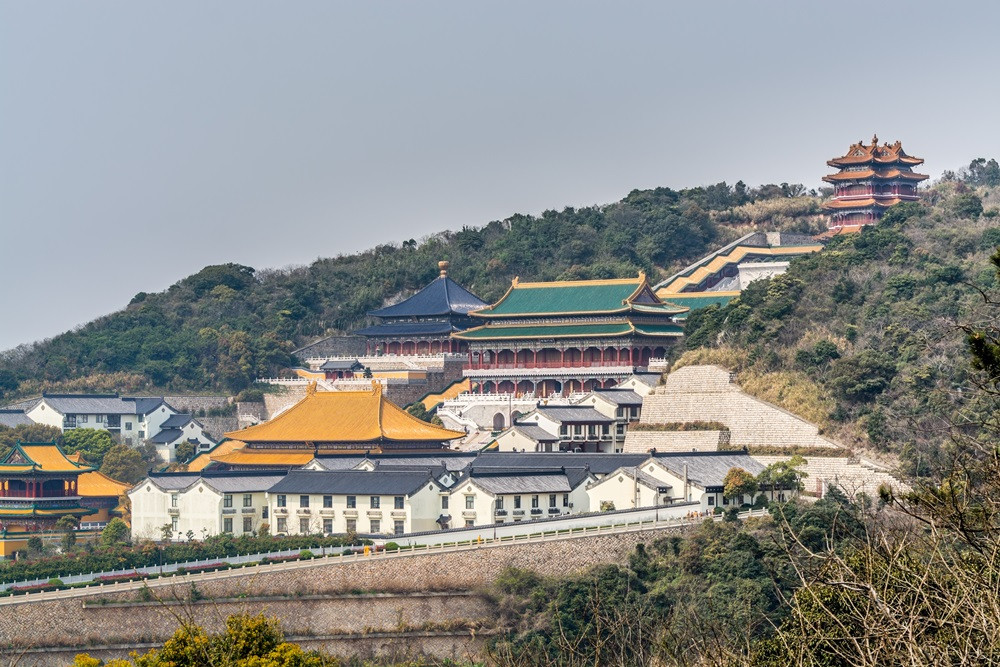
Putuoshan, Zhoushan, Zhejiang Province: A Travel Guide to Nature and Spirituality
Putuoshan, located in Zhoushan City, Zhejiang Province, is one of China’s four sacred Buddhist mountains, renowned for its magnificent natural scenery and profound Buddhist culture. As the sacred site of Guanyin Bodhisattva, it is a popular place of worship year-round, making it a holy site for pilgrims and a paradise for tourists who love nature and culture.
Putuoshan is one of the islands in the Zhoushan Archipelago. Although only 12.5 square kilometers in area, it boasts a spectacular coastline, clear waters, and lush forests. Mountain paths lead to various temples, immersing visitors in the blend of nature and religion. Especially in the morning, the mountain is shrouded in mist, creating a scene reminiscent of a fairyland. Visitors can enjoy activities such as hiking and trekking.
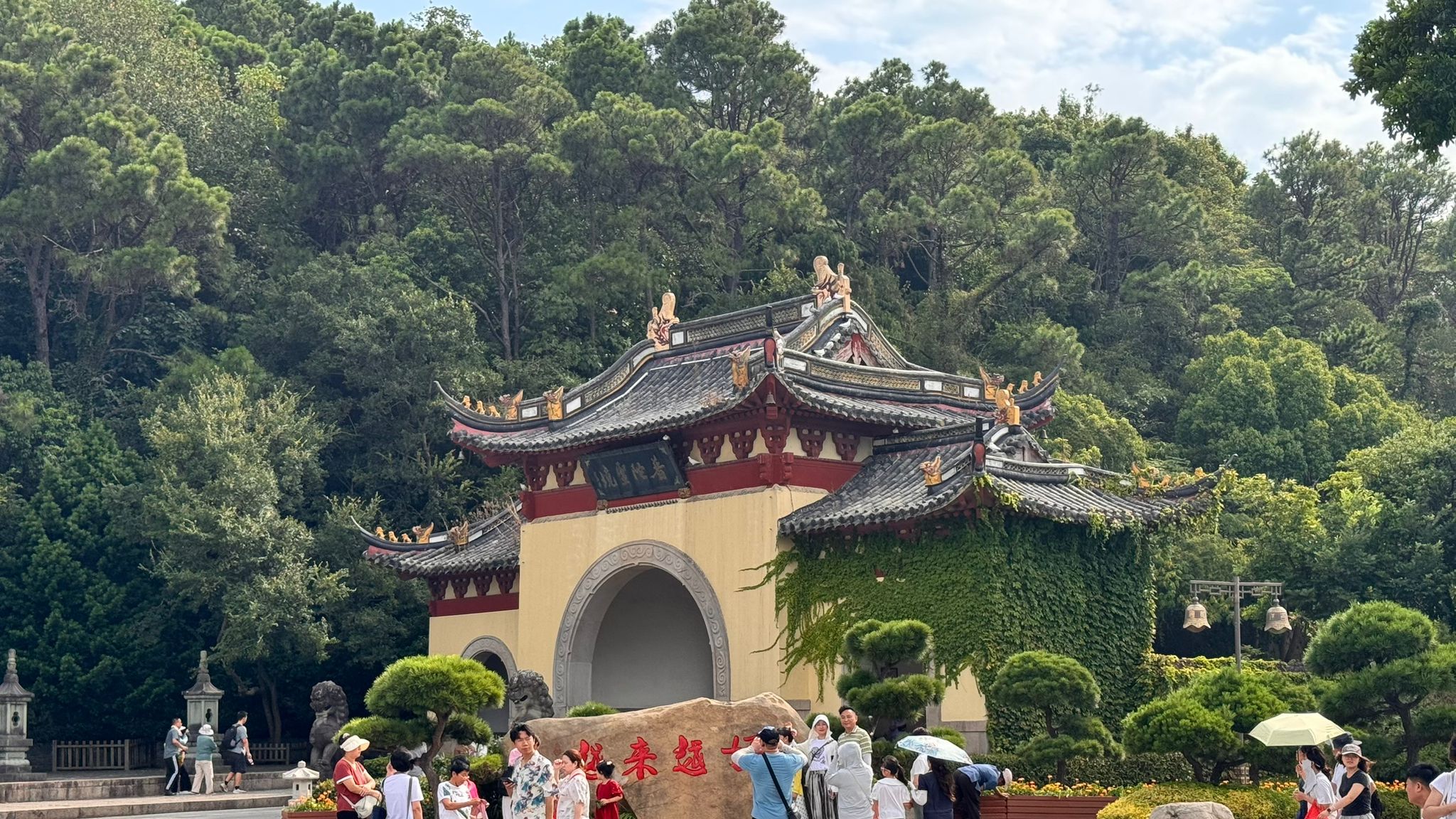
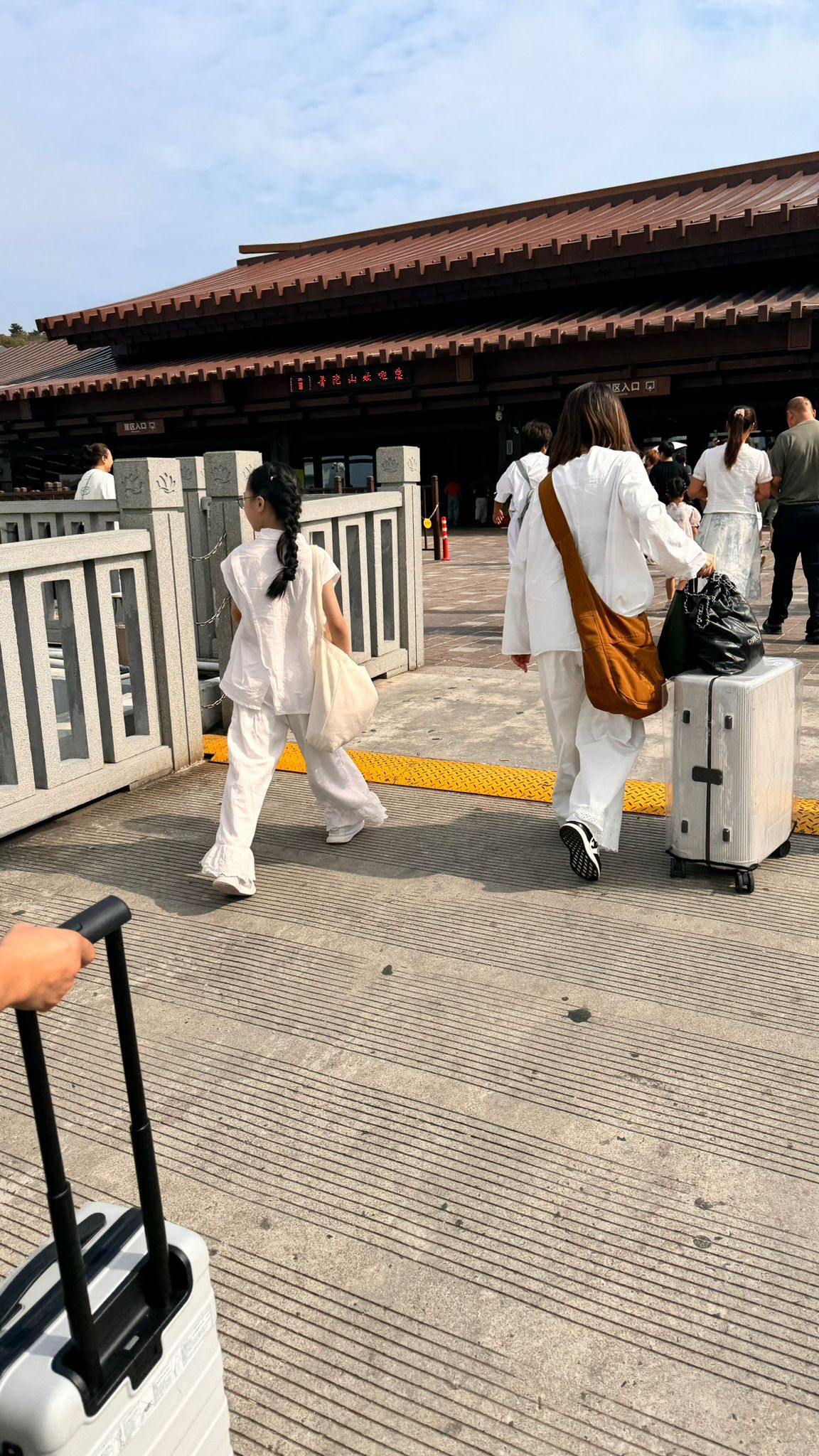
The best time to visit Putuoshan is during spring and autumn, when the weather is pleasant and ideal for hiking and visiting temples. Visitors can choose to take a ferry to Putuoshan, enjoying spectacular sea views along the way, and the sea breeze on the boat is truly refreshing.
Buddhist culture has a profound heritage
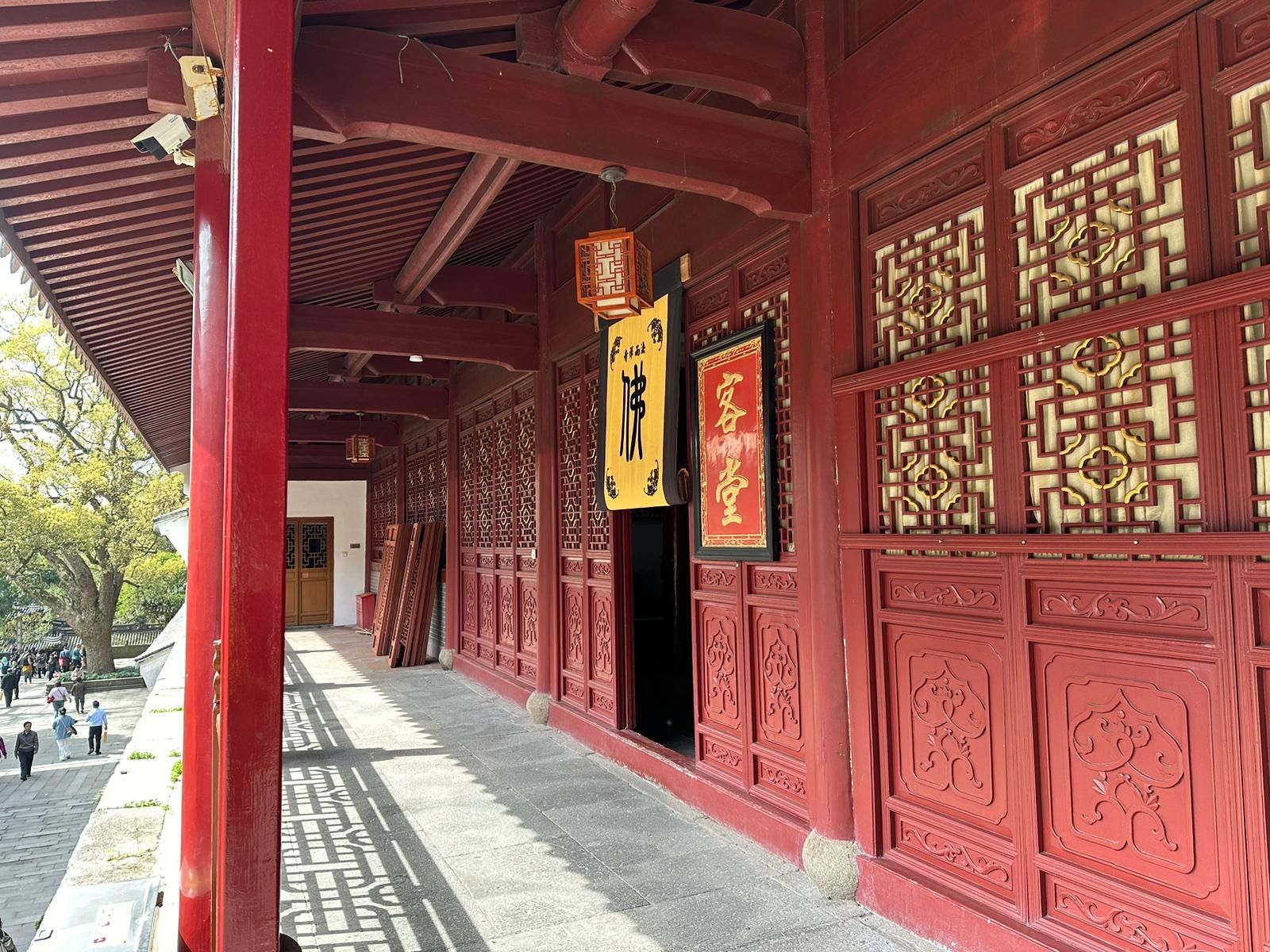
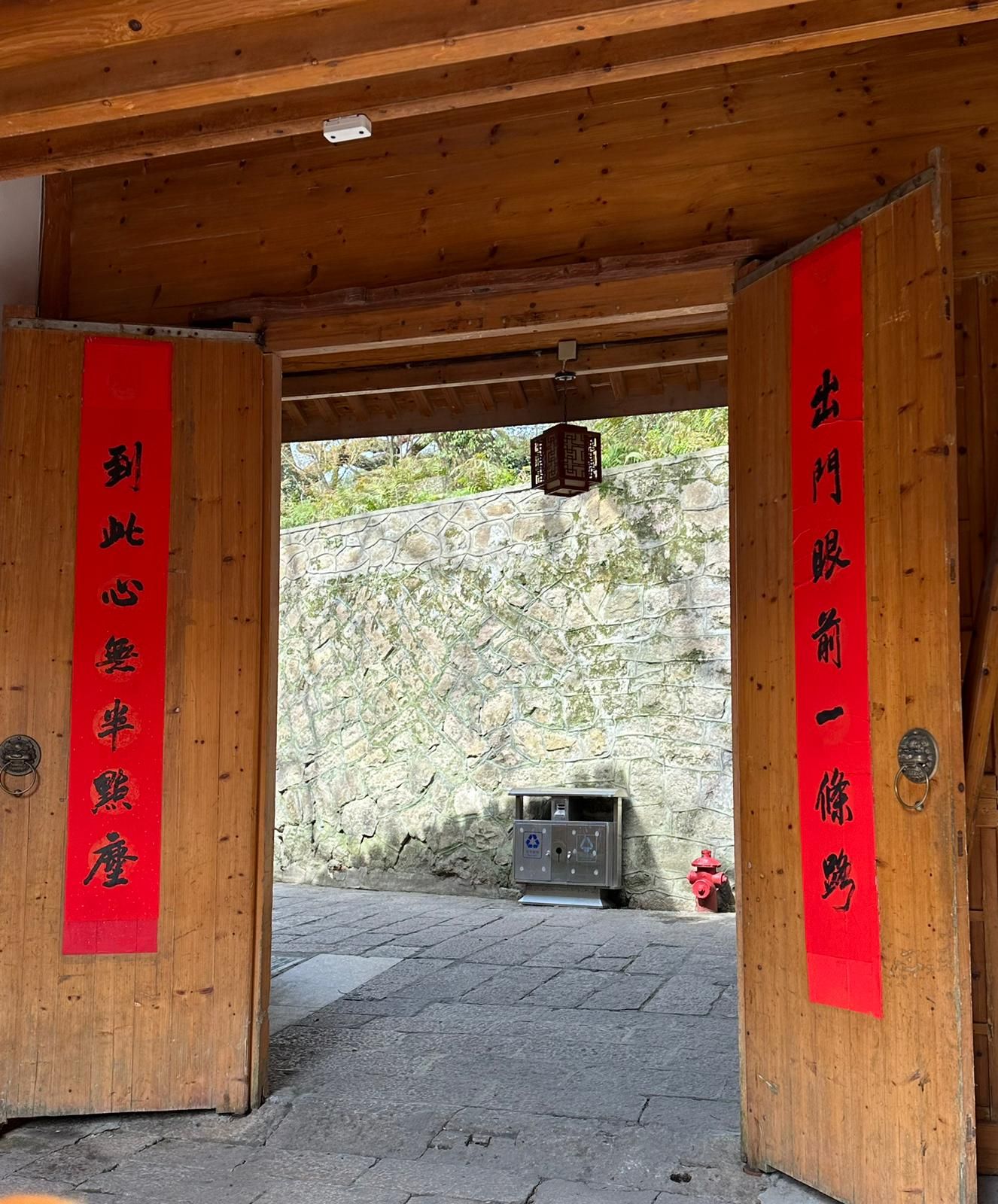
Putuoshan boasts a long and rich Buddhist culture, and is said to be the sacred site of Guanyin Bodhisattva. Every year, numerous believers and tourists come on pilgrimage, seeking spiritual peace and enlightenment. Here, Buddhist teachings coexist harmoniously with nature, creating a unique spiritual atmosphere.
Main Temples Introduction
Huiji Temple
Huiji Temple is one of the oldest temples on Putuoshan, founded in the Ming Dynasty. Located in a valley in the middle of Foding Mountain, it is also known as Foding Mountain Temple. Together with Puji Temple and Fayu Temple, it is considered one of the three major temples of Putuoshan. The temple’s architecture is simple and elegant, and it enshrines statues of Shakyamuni Buddha, Guanyin Bodhisattva, and other deities. Huiji Temple has a long history and was once the place of practice for many eminent monks. The stone carvings and murals within the temple showcase the charm of ancient art.
Every day, many devout believers come to worship. Besides the Shakyamuni Buddha statue in the Mahavira Hall, the most famous attraction is the Guanyin Hall with its statue of Guanyin granting children.
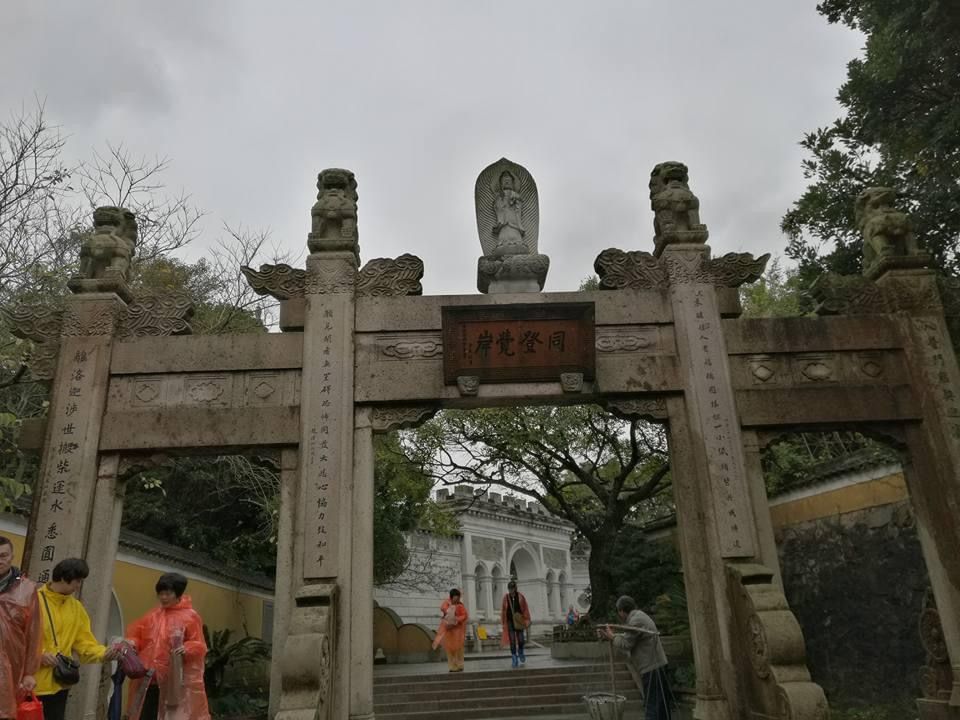
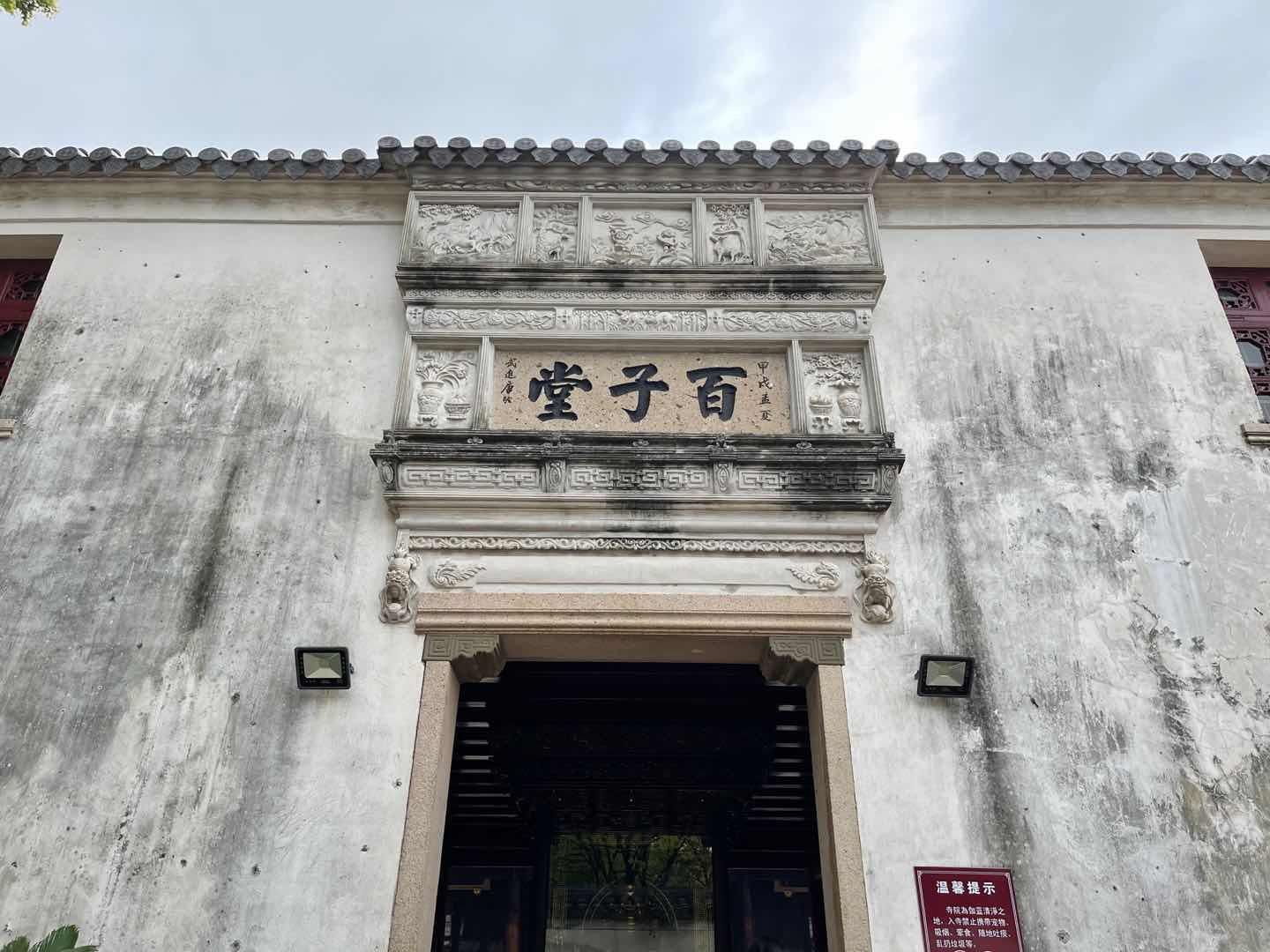
Huiji Temple
Address: Xiangyun Road, Fodingshan, Putuo District, Zhoushan City
Fayu Temple
Fayu Temple, also known as the Back Temple of Putuoshan, was founded in the Ming Dynasty. Located in the southwest of Putuoshan, it was initially named Haichao Nunnery. Later, it was renamed Fayu Chan Temple after Emperor Kangxi of the Qing Dynasty bestowed upon it the plaque “Tianhua Fayu” (Heavenly Flower and Dharma Rain). It was rebuilt and expanded during the Kangxi period, comprising six main halls and over 200 pavilions and towers, making it a temple of significant historical importance. The temple enshrines Guanyin Bodhisattva and is an important pilgrimage site for believers.
The buildings of Fayu Temple are arranged in a harmonious and tranquil manner. Visitors can listen attentively to the monks’ sermons and receive spiritual nourishment.
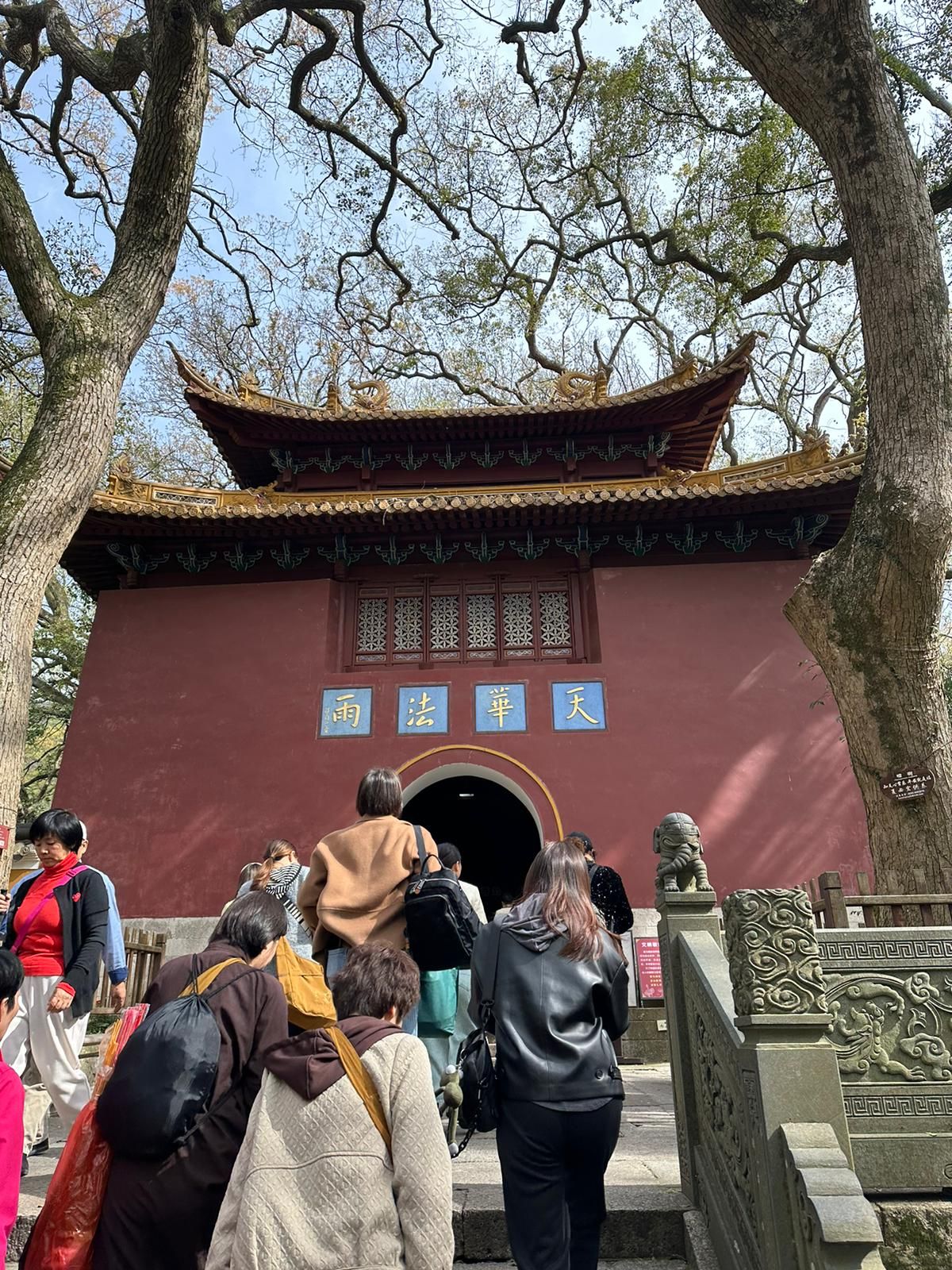
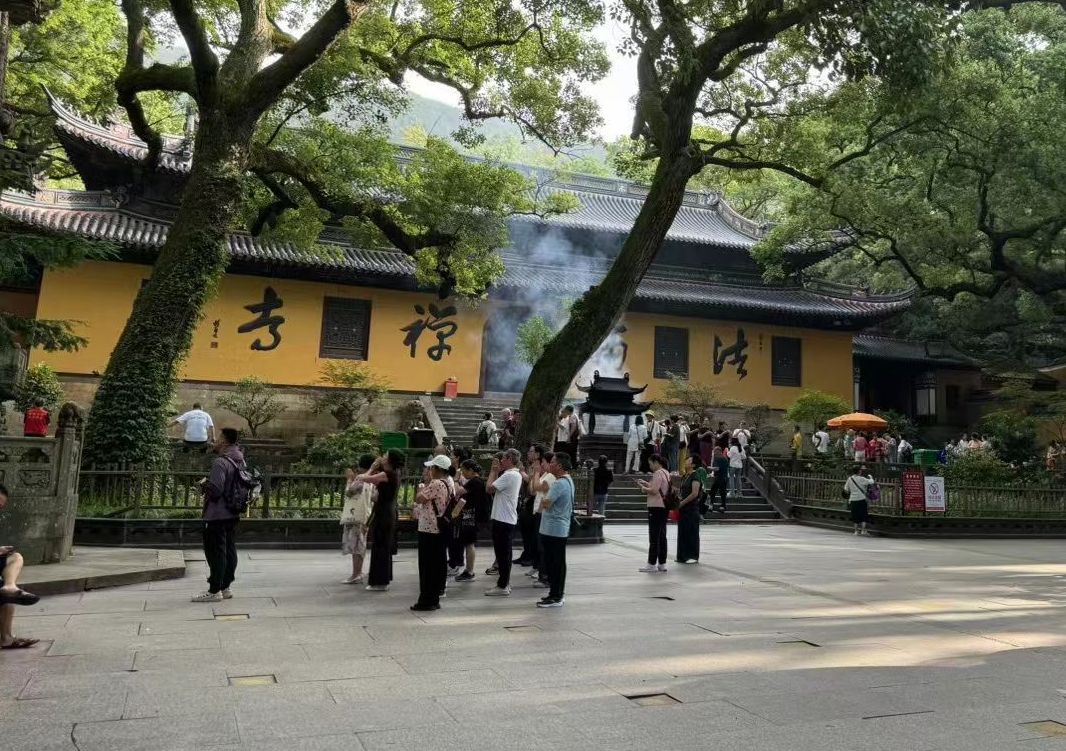
法雨寺
Address: Fayu Road, Putuoshan Scenic Area, Putuo District, Zhoushan City
Guanyin of the South China Sea
The Guanyin of the South China Sea, located at the eastern end of Mount Putuo, is a landmark of the mountain. The entire statue is cast in gilt bronze. Standing 33 meters tall and weighing over 70 tons, the Buddha statue itself is 18 meters high, the lotus pedestal is 2 meters high, and the base is 13 meters high. The Guanyin Bodhisattva statue faces the sea, symbolizing compassion for all beings.
Every year, it attracts a large number of pilgrims who come to pray for peace and happiness. Standing before the statue, visitors can not only feel the Bodhisattva’s compassion but also enjoy the magnificent sea view.
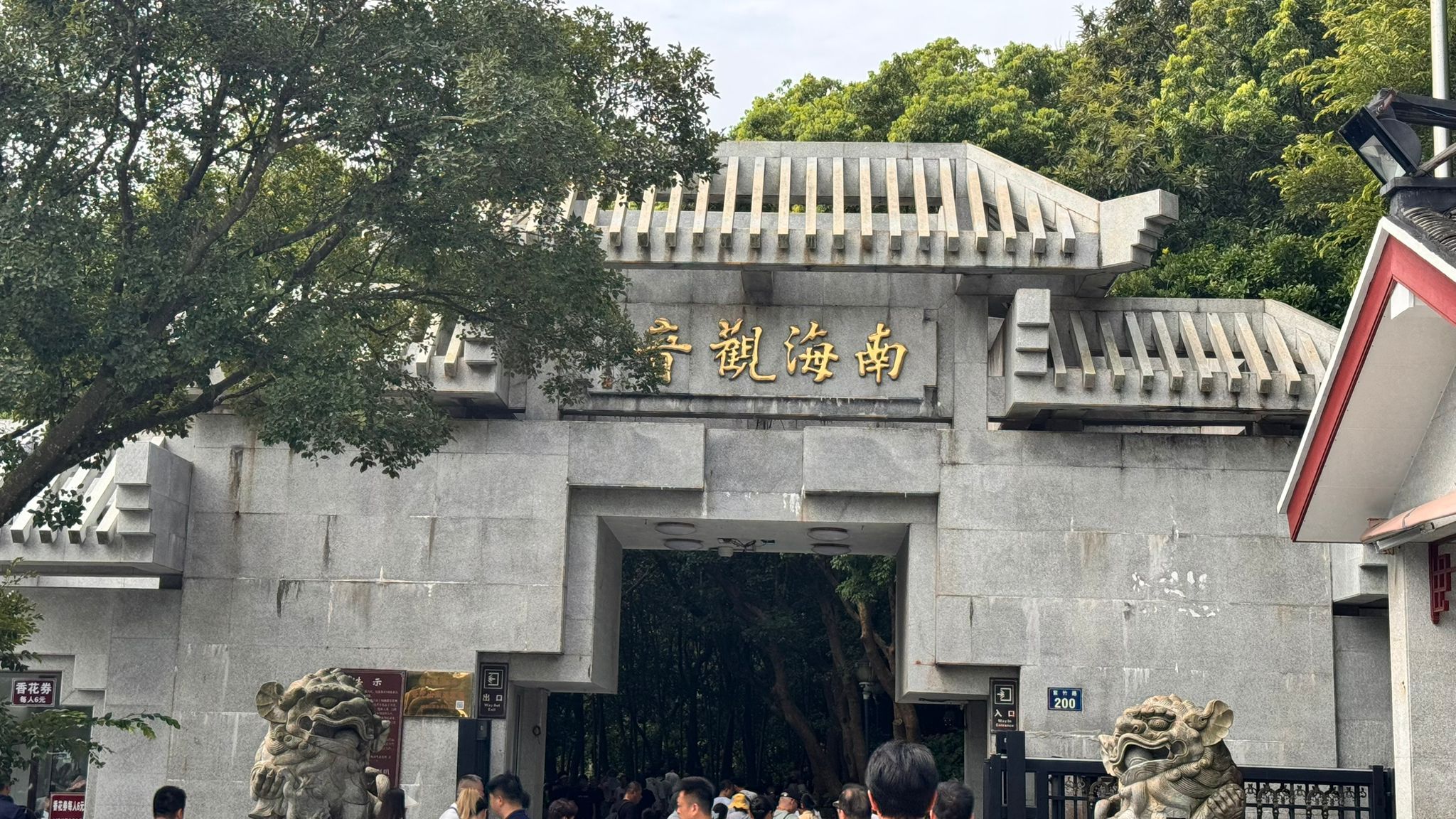
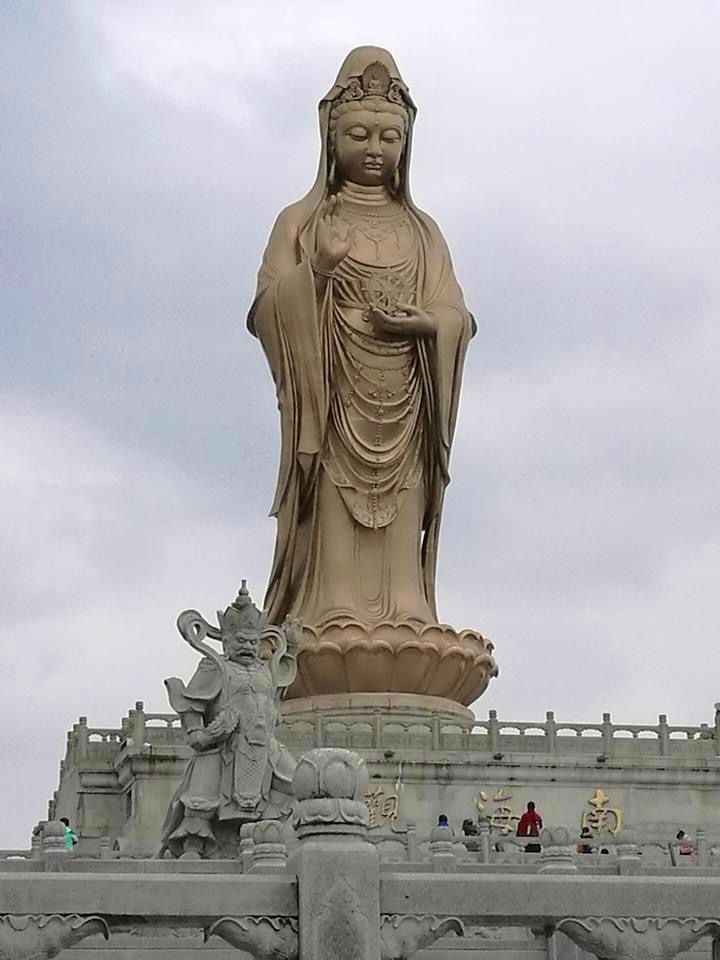
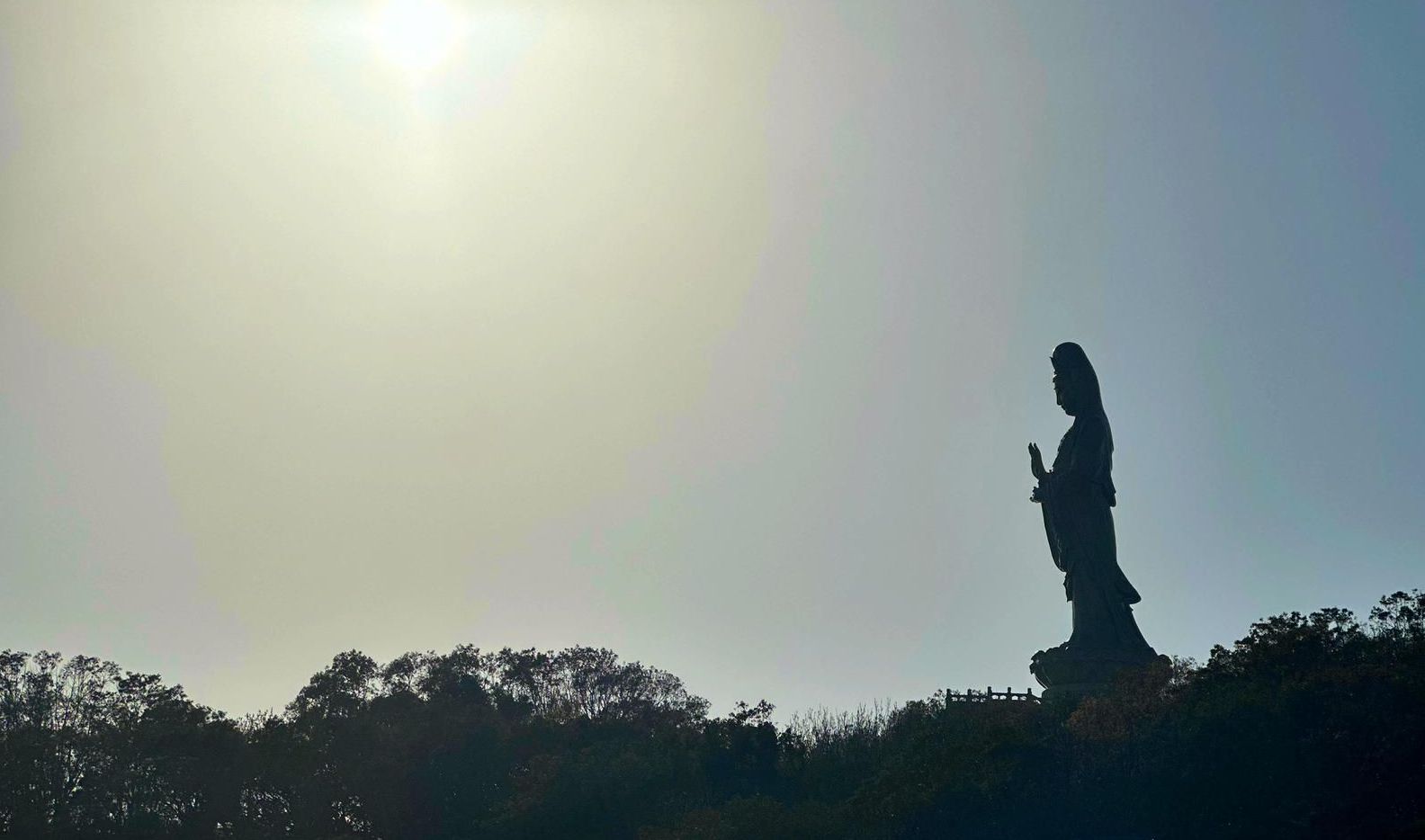
Guanyin of the South China Sea
Address: No. 200, Zizhu Road, Putuo District, Zhoushan City
Refusing to go to Guanyin Temple
The Unwilling-to-Leave Guanyin Temple, though small, boasts a profound cultural heritage. Located within the Purple Bamboo Grove of Mount Putuo, it is the earliest temple built on the mountain, and coupled with the legend of the “Unwilling-to-Leave Guanyin,” it has become the most famous of the three major temples on Mount Putuo. The temple’s beautiful environment and tranquil atmosphere promote relaxation. Visitors can find peace and quiet here to meditate and experience the wisdom of Buddhism.
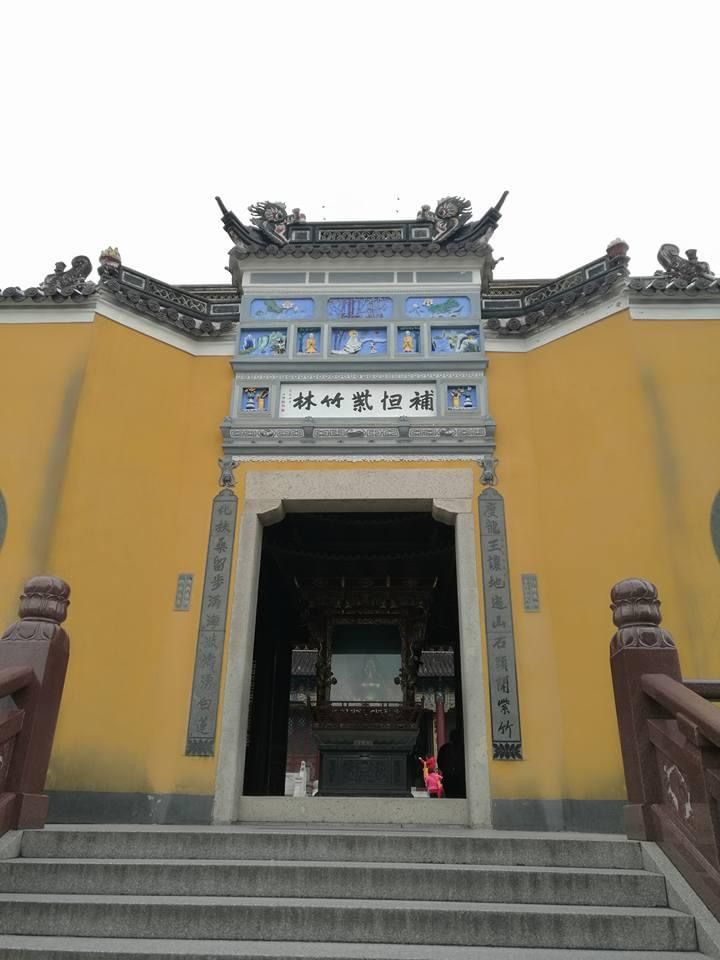
According to historical records, during the Tang Dynasty, the Japanese monk Hui’e obtained a statue of Guanyin from Mount Wutai, intending to bring it back to his country. When his ship passed the sea off Mount Putuo, it encountered a sudden storm. Iron lotus flowers appeared on the surface of the sea, circling the ship, making progress impossible. It was believed that the Bodhisattva did not wish to go east and had left the statue on the mountain. A local resident named Zhang witnessed this spectacle at sea and donated his house to enshrine it, thus naming the temple “The Guanyin Who Refused to Leave Temple.” This is the origin of Buddhist culture on Mount Putuo, and from then on, Mount Putuo officially became a sacred site where Guanyin Bodhisattva manifested.
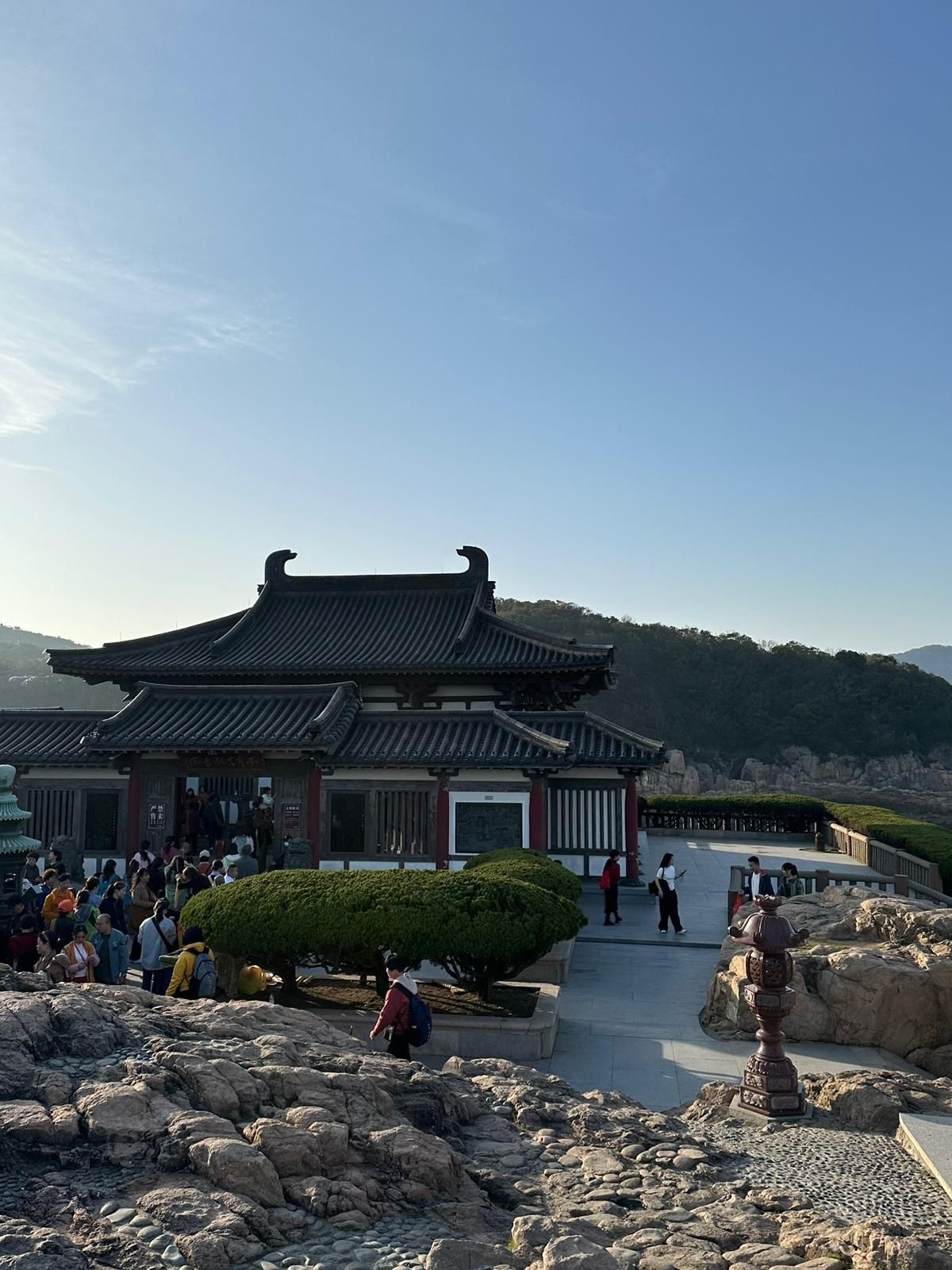
Unwilling to go to Guanyin Temple
Address: No. 117, Zizhu Road, Putuo District, Zhoushan City
It’s better to have peace of mind than to gain or lose.
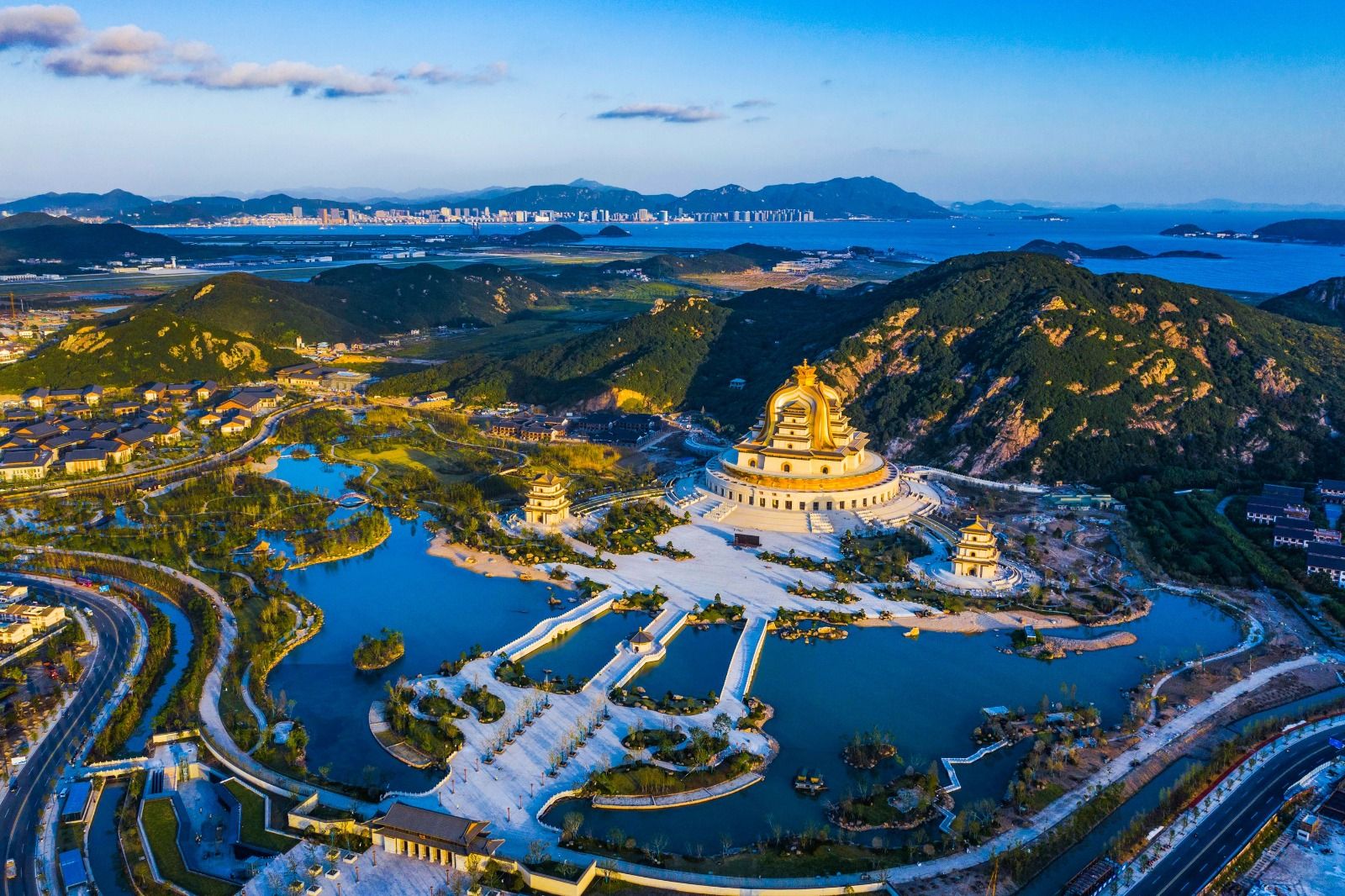
Mount Putuo is not only a pilgrimage site for Buddhist believers but also a paradise for tourists who love nature and culture. Here, visitors can enjoy magnificent natural scenery and experience profound Buddhist culture. Every temple and every corner tells a story of long history and moving narratives. Whether for pilgrimage, meditation, or simply sightseeing, Mount Putuo offers peace and enlightenment to the soul.
Travel Tips
- Transportation: Ferries are available from Putuo District on Zhoushan Island or Zhujiajian Zhuzi Lane to Putuoshan.
- Dining: Local vegetarian restaurants offer a variety of delicious vegetarian dishes and are worth trying.
- Etiquette: When visiting temples, please observe basic Buddhist etiquette, such as removing your shoes and keeping quiet.

